Bratislava Behind the Iron Curtain: 10 Cold War Places
Bratislava Behind the Iron Curtain: 10 Cold War Places
Forget the Old Town for a moment. Bratislava’s most interesting Cold War stories are often found among concrete housing blocks, strange monuments, abandoned military buildings and quiet stretches of countryside where Austria is only a few kilometres away.
For four decades, Bratislava stood on the western edge of communist Czechoslovakia. The Iron Curtain ran right beside the city. Across the Danube and Morava rivers was Austria – the West.
You could see it. You couldn’t freely go there. Today, the fences and watchtowers are mostly gone. But the landscape still contains plenty of clues.
If you are interested in Cold War history, communism, abandoned military sites and places beyond the usual tourist trail, here are ten places that reveal another side of Bratislava.

1. Devín: Where the Iron Curtain Met the River
Few places explain the geography of the Cold War better than Devín. Today, visitors come here for the spectacular castle ruins above the confluence of the Danube and Morava rivers. During the communist era, however, this was also a heavily guarded border landscape.
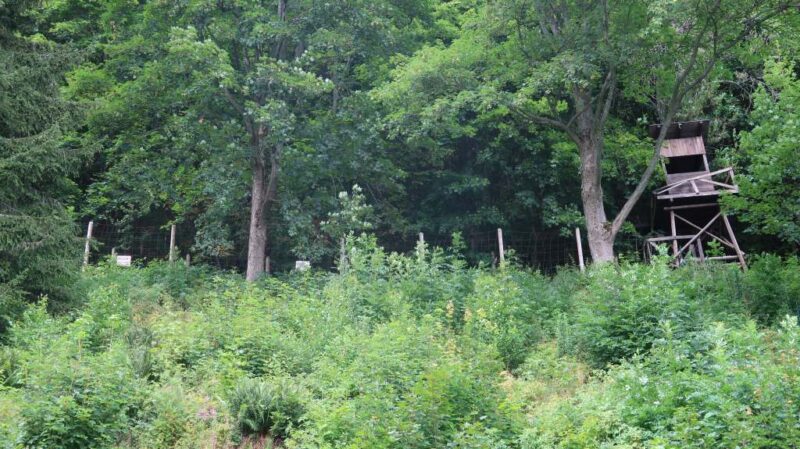
The Morava marked part of the frontier with Austria. On the other side of the river was the capitalist West. The border was protected by fences, patrols, surveillance systems and restricted zones. Attempts to cross it illegally could have deadly consequences.
Look for the surviving border remnants and memorials around Devín. Then look at how close Austria is. The interesting part isn’t just the Iron Curtain itself. It’s the fact that it was here, in Bratislava, right on the city’s doorstep.
Discover its stories with our local guide during the Devín Castle Tour.
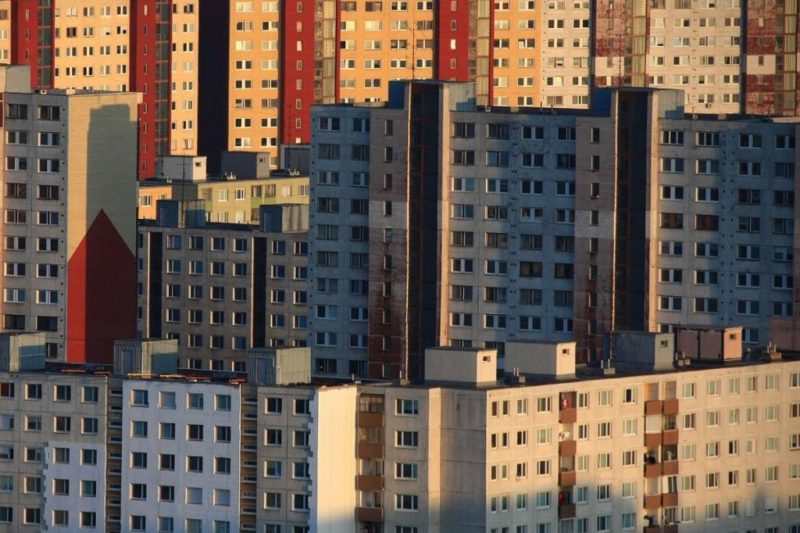
2. Petržalka: A Socialist City Beside the West
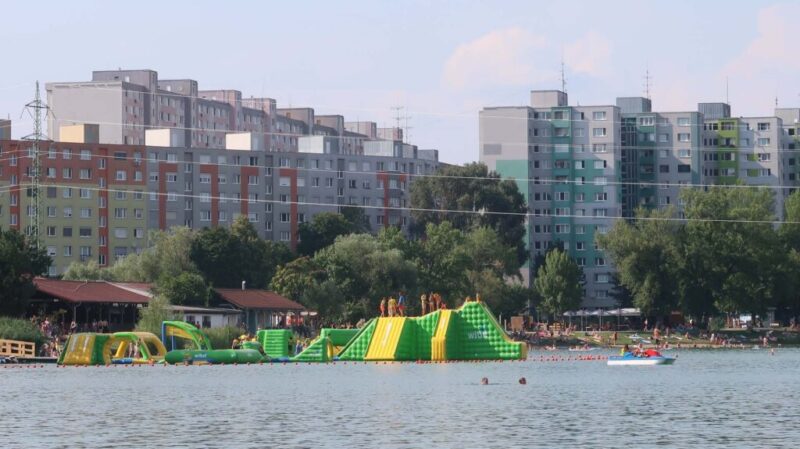
Cross the Danube and you enter a completely different Bratislava. Petržalka is one of the largest prefabricated housing estates in Central Europe. Built mainly during the 1970s and 1980s, it became a new city within the city – thousands of concrete apartments, schools, shops and public spaces created almost from scratch.
What makes Petržalka especially interesting for Cold War travellers is its location. It was built directly beside the Austrian border. Imagine moving into a brand-new socialist apartment while the Western world was only a short distance away, separated by fences and border guards.
The concrete blocks are therefore more than examples of communist architecture. They are part of the geography of the Iron Curtain.
And don’t dismiss Petržalka as “just a housing estate”. Look closer and you’ll find bunkers, former industrial sites, socialist public art and traces of the old border landscape. This is where Bratislava’s Cold War history becomes everyday rather than monumental.
Petržalka is also great to explore by bicycle, just like on our Bratislava Identity Bike Tour.
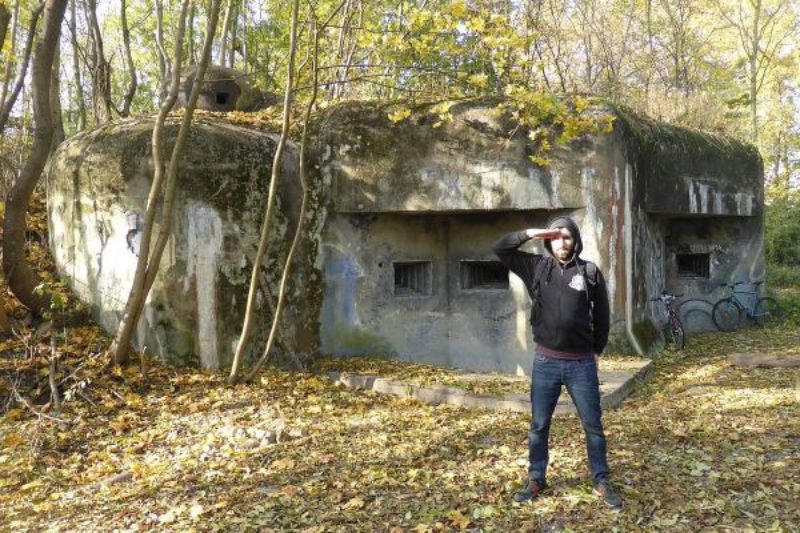
3. The Petržalka Bunkers: When the Border Was a Military Front
Hidden among the greenery of Petržalka is a line of concrete military bunkers. The bunkers themselves are older than the Cold War. They were built by Czechoslovakia in the late 1930s as part of its defence system against Nazi Germany.
But history gave them a second life. After the Second World War, the same border became the frontier between communist Czechoslovakia and the West. Several bunkers survive today, including B-S-4, B-S-6 and B-S-8, which have been preserved as museums and are opened to visitors at selected times.
This is one of the most interesting details about Bratislava’s border landscape: the military infrastructure changed meaning as the political map of Europe changed. A bunker built to defend Czechoslovakia from Hitler ended up sitting beside the Iron Curtain. If you like military history, this is one of the places worth getting out of the city centre for.
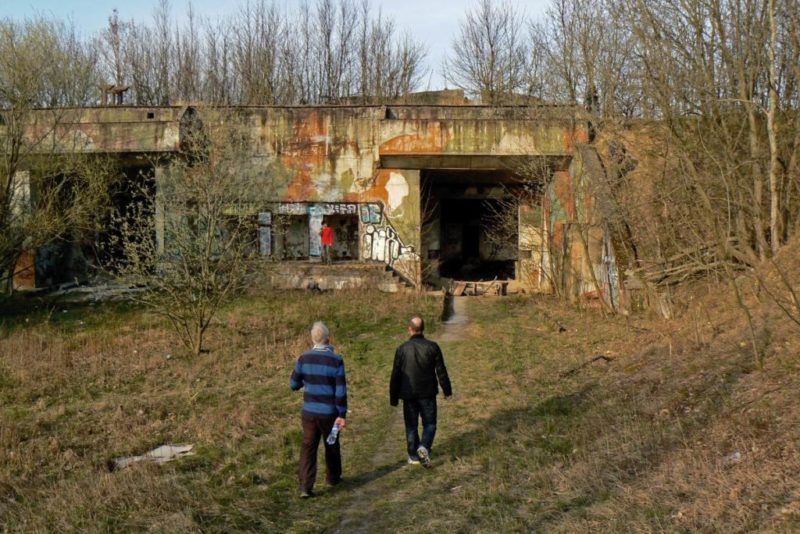
4. Devínska Kobyla: A Cold War Military Base with a View to Austria
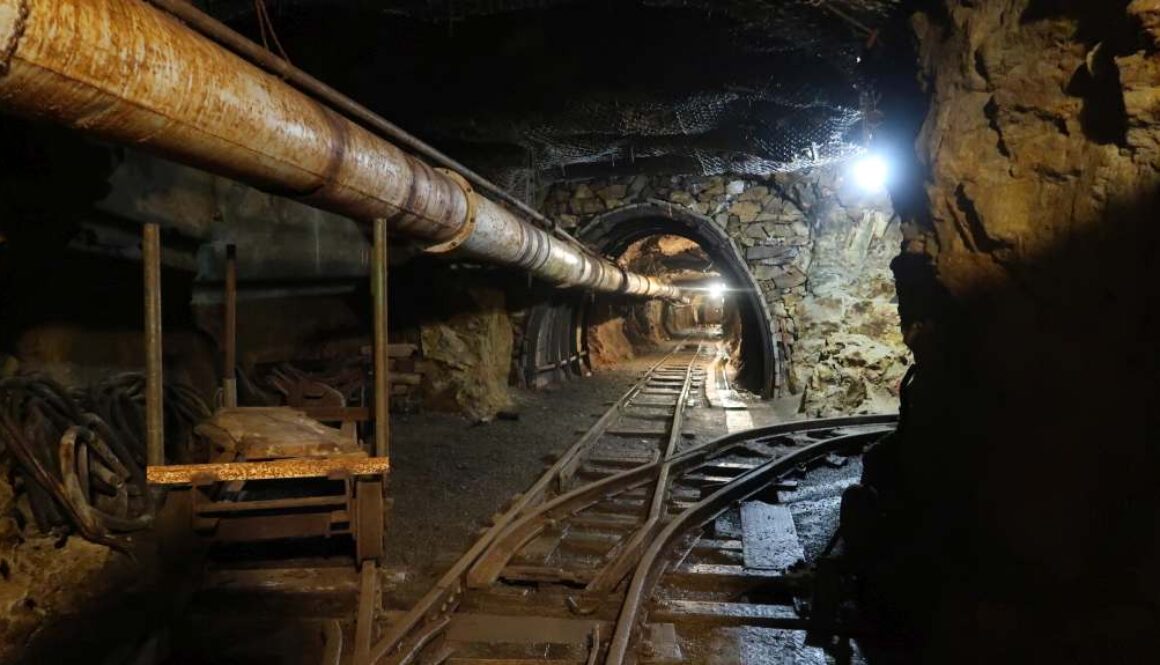
This is where things start getting properly atmospheric. Hidden in the forest of Devínska Kobyla are the remains of a former Czechoslovak military complex dating from the Cold War. Concrete structures, military buildings and remnants of the former air-defence base are scattered around the summit.
It feels strangely remote. Yet you are still in Bratislava. The site was part of the military infrastructure protecting the western edge of socialist Czechoslovakia. Today, vegetation is gradually reclaiming the former military landscape.
But there is a new reason to climb up here. In 2020, a striking 21-metre lookout tower was built directly on the summit of Devínska Kobyla. The white steel structure, inspired by the shape of a praying mantis, has three viewing platforms reached by 112 steps. From the top, you get splendid views across Bratislava, Austria and the surrounding Central European landscape. On a clear day, you can even see towards Vienna and the Alps.
There are plenty of stories about what exactly happened at the former military site and what its facilities were used for. Some are well documented; others have become local Cold War folklore.
We prefer physical evidence. Concrete military structures hidden in the Carpathian forest are intriguing enough without inventing secret bunkers where there aren’t any.
If you visit, don’t enter unsafe or restricted structures. The combination of the abandoned military landscape and the new lookout tower is interesting enough from the outside. If you feel like have a local guide, we take you there as an extension of the Devín Castle Tour. 🙂
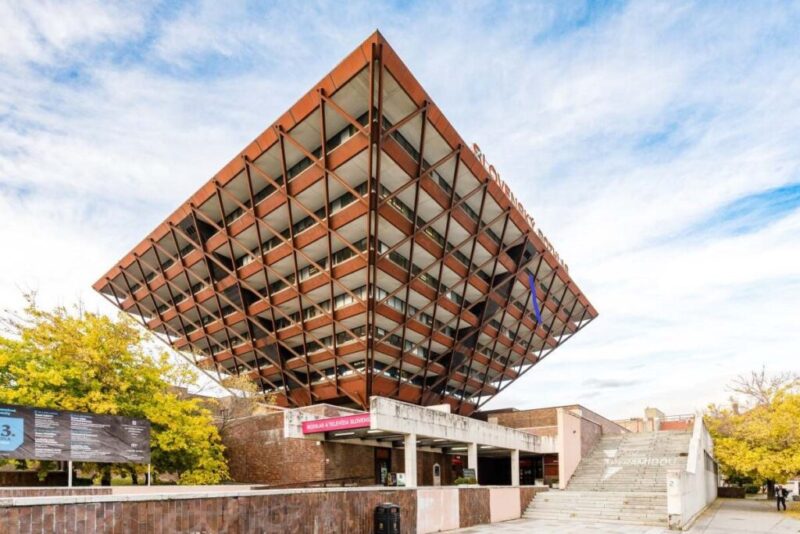
5. The Slovak Radio Building: A Pyramid Turned Upside Down
One of Bratislava’s most bizarre buildings is also one of its great pieces of socialist architecture. The Slovak Radio building looks like a gigantic pyramid standing on its tip. Construction began in the 1960s and the building was finally completed in the 1980s. Its radical design reflected the confidence – and sometimes the sheer ambition – of socialist modernism.
Inside is an equally unusual engineering solution: the main concert hall is suspended within the structure to improve acoustic isolation.
But radio itself has another Cold War story. In a society where the state controlled the main media, broadcasting was closely connected with politics and propaganda. At the same time, radio could also bring information from beyond the borders.
The building therefore represents something bigger than architecture. It is a monument to the battle over information during the Cold War. And unlike many abandoned communist sites, this one is still very much part of Bratislava’s living city. We will drive you around it during our Post-Communist Bratislava Tour in a stylish 1970-1990’s Skoda car. 🙂

6. SNP Bridge: The Cold War City from Above
You probably know it as the UFO Bridge. Officially, it is the Most SNP – the Bridge of the Slovak National Uprising – completed in 1972. Its futuristic restaurant and observation deck have become one of Bratislava’s best-known landmarks.
But look beyond the UFO. The bridge was an enormous socialist engineering project that dramatically changed the city. Its construction required the demolition of a significant part of the historic area, including much of the former Jewish quarter.
From the observation deck, however, the Cold War geography becomes much more interesting. Look south. There is Petržalka, the huge socialist housing estate. Beyond it is the landscape leading towards Austria.
The view connects several stories at once: socialist urban planning, the Iron Curtain, Bratislava’s expansion and the city’s complicated relationship with its historic centre.
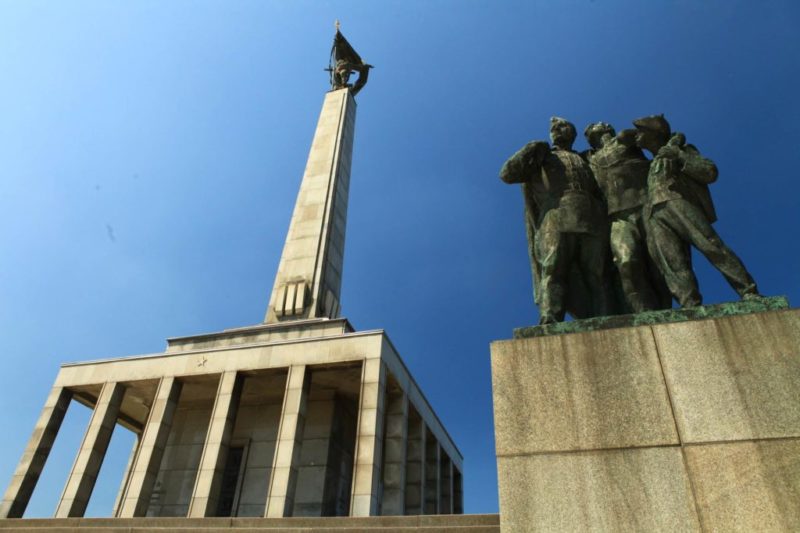
7. Slavín: The Soviet Monument Above the City
High above Bratislava stands Slavín, a huge Soviet war memorial and cemetery completed in 1960. It commemorates Soviet soldiers who died during the liberation of Bratislava in 1945.
But Slavín is also an important Cold War landmark. The monument was built during the period when Czechoslovakia was firmly within the Soviet sphere of influence. Its enormous scale and symbolism reflect the political landscape of the time.
From the hill, you can see Bratislava spreading below you – including the Old Town, the Danube and Petržalka. It is one of the best viewpoints for understanding how the different layers of 20th-century Bratislava fit together. One of the essential stops of our Post-Communist Bratislava Tour.

8. Freedom Square: From Gottwald to 1989
Námestie slobody – Freedom Square – is one of the places where Bratislava’s communist past and its post-communist present collide. During the communist period, the square was known as Gottwaldovo námestie, after Klement Gottwald, the first communist president of Czechoslovakia.
The monumental space represented the scale and confidence of the new socialist state. Then came November 1989. The same city was suddenly full of people demanding political change and an end to communist rule.
Today, a memorial to the Velvet Revolution stands here, marked by hundreds of footprints representing the people who filled Bratislava’s streets.

9. SNP Square: Where the Velvet Revolution Filled the Streets
A short walk away, Námestie SNP became the heart of Bratislava’s Velvet Revolution in November 1989. Tens of thousands of people gathered here to demand an end to communist rule.
Today, it is one of the busiest parts of the city centre. Trams pass through. People shop, eat and meet friends. It is easy to walk across without noticing what happened here.
Look for the memorial plaque connected with the 1989 demonstrations. Then imagine the square filled with people in freezing November weather, listening to speeches from the revolutionary movement Public Against Violence.
The famous jingling of keys became one of the symbols of the peaceful revolution. Within weeks, the political system that had dominated Czechoslovakia for four decades was collapsing.
For visitors interested in the end of the Cold War, this is one of the most important places in Bratislava. More insights on our 20th Century Bratislava Tour.

10. Kamzík TV Tower: Look Across the Former Iron Curtain
The Kamzík TV Tower was completed in 1975 and became one of Bratislava’s most recognisable landmarks. At 196 metres, it dominates the skyline from the surrounding Little Carpathians.
Its observation facilities offer something particularly useful for Cold War travellers: perspective. On a clear day, look west. You can see towards Austria and understand just how close Bratislava was to the other side of the Iron Curtain.
During socialism, Vienna was geographically close but politically distant. For most ordinary Czechoslovaks, travelling there was not simply a matter of buying a train ticket. Today, you can look across the same landscape and travel to Vienna in a matter of hours. That contrast is perhaps the simplest way to understand what the Cold War meant here.
The Cold War Is Still Hiding in Bratislava
The Iron Curtain may have disappeared, but the city it shaped is still here. And if you know where to look, Bratislava starts telling a very different story from the one you get on the standard Old Town walking tour.
If you want to explore beyond Bratislava’s historic centre, our Post-Communist Bratislava Tour takes you into Petržalka, to Slavín, the Iron Curtain border zone and other places connected with the city’s 20th-century history.
For something even more offbeat, the Devín Castle Tour can be extended with a hike to the abandoned Cold War military base in the Carpathian forest.
Because sometimes the best way to understand Bratislava isn’t to look at the famous landmarks. It’s to look behind them.